Browse 110+ Media and Streaming Appliances on the NetActuate Media Marketplace
Explore


Browse 110+ Media and Streaming Appliances on the NetActuate Media Marketplace

By clicking "Accept all" you allow cookies that improve your experience on our site, help us analyze site performance and usage, and enable us to show relevant marketing content. You can manage cookie settings below. By clicking “Confirm selection” you agree with the current settings.

OARC 47 in Vancouver was DNS-OARC’s first stand-alone conference, and it was a success. The main program on November 9–10 covered practical questions about resolver behavior, DNSSEC and the routing behind DNS infrastructure.
Vancouver was a welcoming setting for the meeting. I enjoyed the rainy weather, felt comfortable exploring the city and appreciated how friendly people were. A few more nonstop options to Vancouver Airport would make the trip even better.
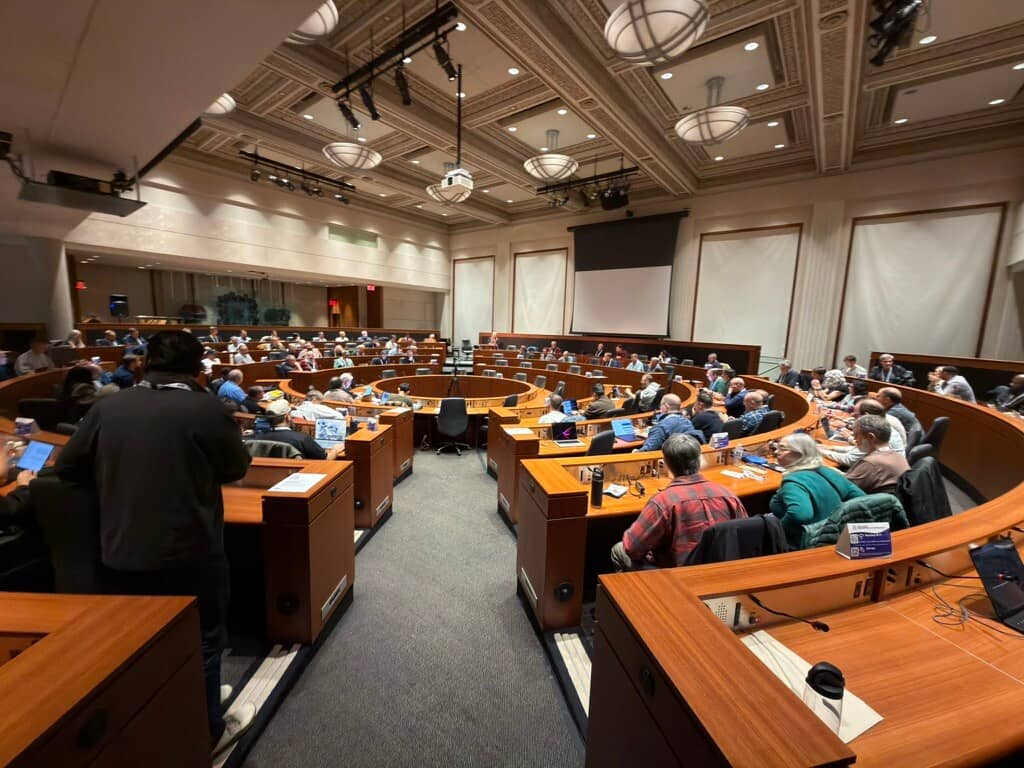
Monday opened with Lee Howard’s welcome as DNS-OARC’s new president. I’ve known Lee since his Hilco/IPv4.Global days, and we serve together on the NANOG Program Committee. He’s also an elected member of ARIN’s Board of Trustees. I was happy to see him bring his experience to DNS-OARC. His drive for one-on-one member conversations is encouraging, and I believe he can make a difference in growing DNS-OARC.
Geoff Huston and Maud Durand presented their related work back-to-back, then held a joint Q&A. That made their different views of APNIC’s measurement data easy to compare, with both speakers available to explain the patterns.
Geoff separated the queries needed for different record types from repeated identical questions, then examined their timing and the differences between response types. SERVFAIL and silence were associated with far more repetition than NXDOMAIN in his measurements. That extra traffic matters when understanding the work reaching authoritative servers.
Maud broke the observations down by ISP, resolver provider and IP family. Some networks produced little duplicate traffic, while others appeared to send queries along competing paths or retry heavily. Seeing the broader traffic picture alongside that detail was particularly interesting. Together, the talks raised useful questions about where the extra work originates and which parts of the resolution path need investigation.
Vicky Shrestha’s "post-quantum DNSSEC measurements" explored another deployment challenge. The experimental results showed a small median timing difference among successful probe pairs, alongside larger tail differences and timeout concerns. Testing larger signatures across real networks brings application behavior and transport into the assessment, alongside cryptographic performance.
On Tuesday, Ritesh Mukherjee’s "Trust your paths” examined routing security for DNS infrastructure. A lab example in the slides kept returning NOERROR while traffic shifted to a distant anycast site and latency increased. The route could still pass origin validation. It illustrated why DNS checks and routing-path visibility need to be considered together.
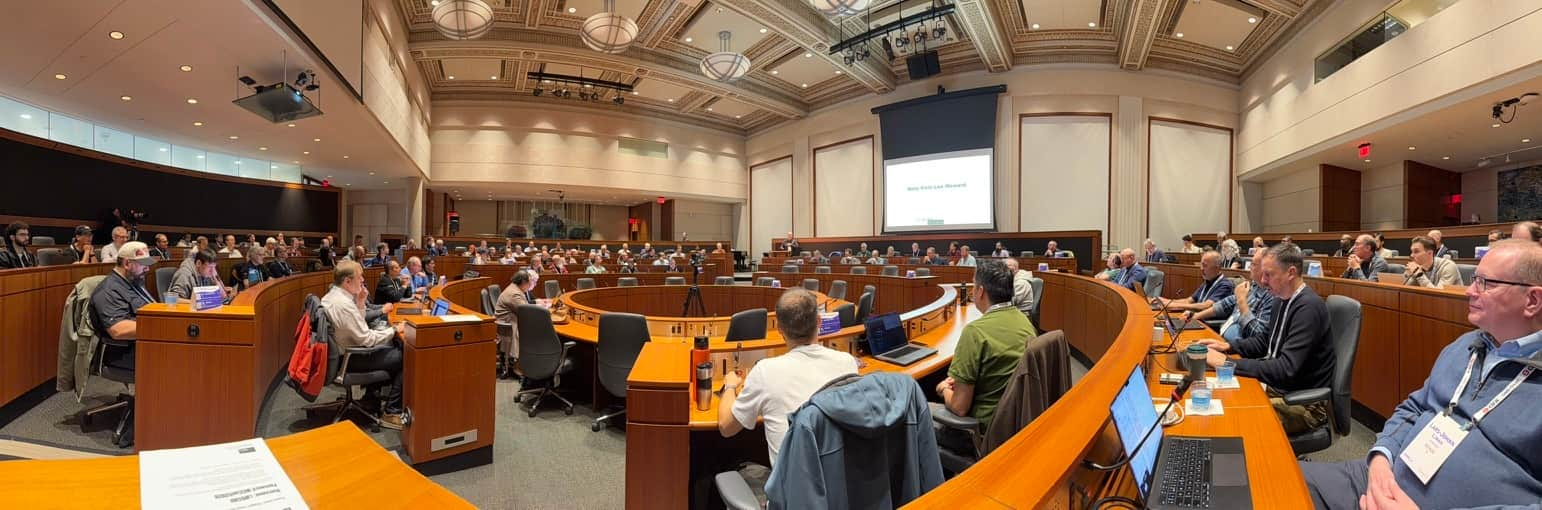
These talks provide useful context for the challenges our customers face. More than a quarter of registered attendees represented NetActuate’s direct or downstream customers, making this a valuable place to reconnect, hear their needs and discuss how we can better support their services. Attending also supports DNS-OARC, an organization important to those customers. We’re always an email, Slack message or call away, but there’s clear value in meeting them on their home turf.
I’m looking forward to DNS-OARC’s next stand-alone conference after such a successful meeting in Vancouver.